Act now to protect forests: sign the #HandsOffNature petition!

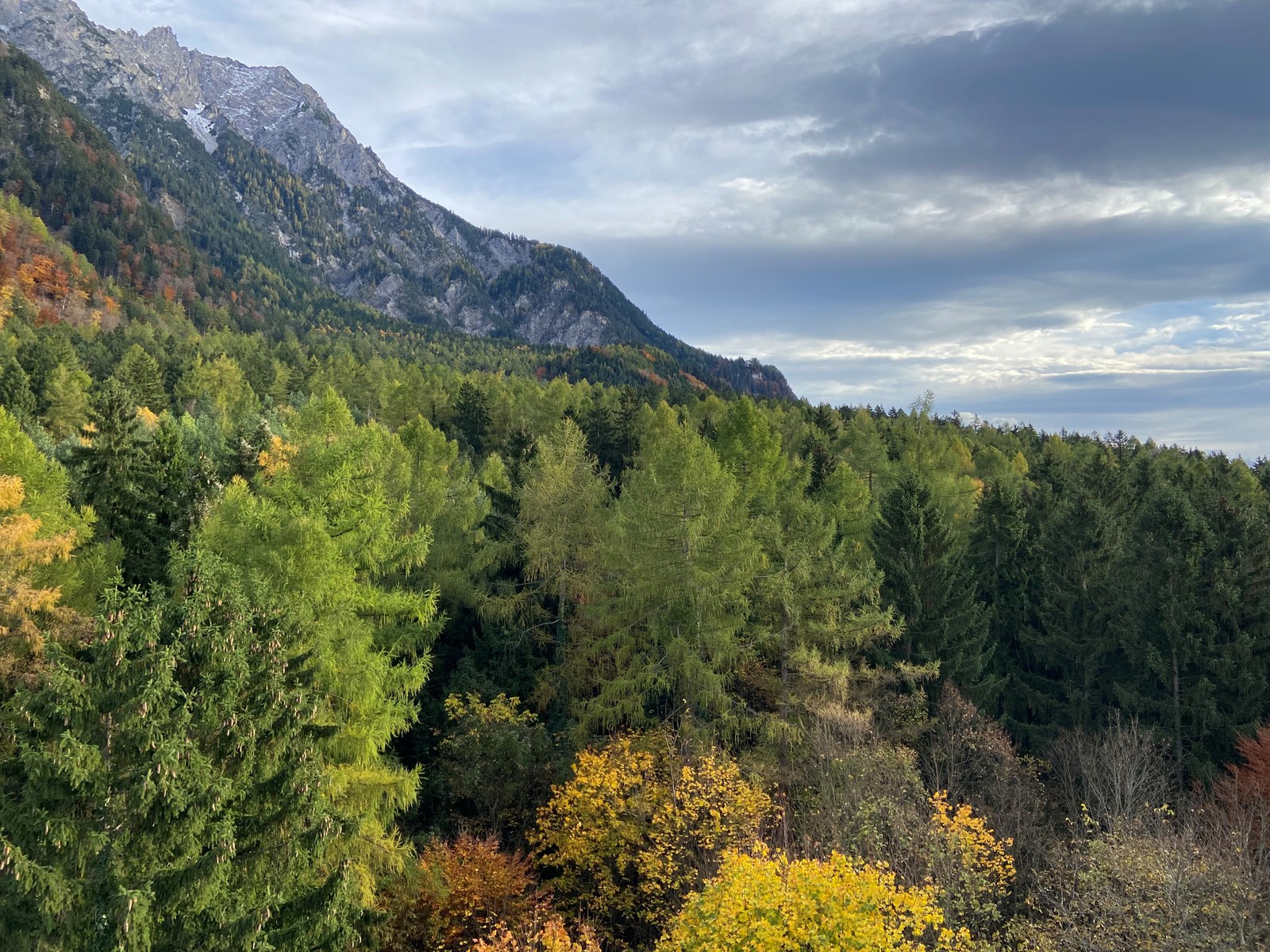
More than 40 percent of the Alpine region is covered by forests. They are not only a defining feature of the landscape, but also a cornerstone of Alpine livelihood, providing building materials, supporting biodiversity, and delivering essential ecosystem services.

CIPRA International

Do you want to know more about CIPRA International? Click here!

More articles

Innovative online tools to assess and visualise connectivity
Real connectivity depends on a comprehensive planning process. The complex system of interactions and mechanisms in human societies calls for an analytic and comprehensive approach.
Alpine barriers and the way they affect species
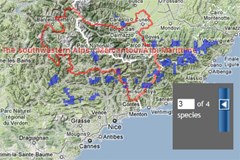
ECONNECT researchers analysed how barriers affect selected species: lynx, brown bear, wolf, red deer, black grouse, griffon vulture, bullhead and fish otter. For the terrestrial species they found out that altitude and forest availability are the major factors influencing species distribution.
The promotion of a common Legal Framework
The Alps consist of eight different countries, each of which has its own legal framework. A specific working group provided an overview of the different legislations in force at various governance levels that potentially affect ecological connectivity.
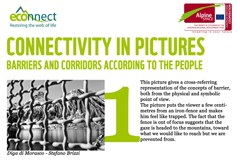
Connectivity in pictures
Besides classic communication tools such as newsletters and press releases ECONNECT used innovative tools to raise awareness among the general public and the stakeholders.

Events

  • 2026-04-07T00:00:00+02:00
  • 2026-04-17T23:59:59+02:00
  • online
Apr 07, 2026 - Apr 17, 2026
Local Peaks, Global Learning online
  • 2026-04-21T00:00:00+02:00
  • 2026-04-23T23:59:59+02:00
  • MUCEM, Marseille/France
Apr 21, 2026 - Apr 23, 2026
Transhumance as Intangible Cultural Heritage of Humanity: A Way Forward? MUCEM, Marseille/France
  • 2026-04-22T00:00:00+02:00
  • 2026-04-23T23:59:59+02:00
  • Vienna/Austria
Apr 22, 2026 - Apr 23, 2026
Growing alternative crops for new market opportunities in a changing climate Vienna/Austria
  • 2026-04-24T00:00:00+02:00
  • 2026-05-03T23:59:59+02:00
  • Santa Croce street, 67; I-38122 Trento
Apr 24, 2026 - May 03, 2026
Trento Film Festival Santa Croce street, 67; I-38122 Trento
  • 2026-05-18T09:30:00+02:00
  • 2026-05-18T16:00:00+02:00
  • Auditorium EURAC Research, Viale Druso 1, Bolzano-Bozen (Italy)
May 18, 2026
Moving around the Alps: Towards Sustainable Tourism Mobility Auditorium EURAC Research, Viale Druso 1, Bolzano-Bozen (Italy)

Projects & activities

Nature-based solutions and their governance structures in the Alpine region
In view of the global challenges of climate change and biodiversity loss, the use of nature-based solutions (NbS) is becoming increasingly important. On behalf of the German Federal Environment Agency, ifuplan (lead) and CIPRA International are preparing a report on “Nature-based solutions and governance structures in the Alpine region”. The aim of the report is to analyse the potential of various NbS in the Alpine region and the governance mechanisms behind them that ensure their success. Based on this, their transferability to other Alpine regions will be analysed and recommendations for action formulated.
Ars vivendi
Ars vivendi
[Project completed] How can the Sustainable Development Goals (SDGs) be learned and taught? In the project «ars vivendi» a didactic tool for the Global Agenda 2030 is being developed.
DINAMO
DINAMO
[Project competed] In many rural areas of the Alps, public transport services are inadequate for daily needs and tourism development. In some remote mountain regions, this is one of the reasons why there is a considerable amount of car traffic, especially on weekends, public holidays and during rush hours. There are various reasons for this, including the high cost of public transport solutions due to low population density, inadequate public transport options (such as timetables, accessibility, connectivity, travel time and costs) and political and social preferences in favour of private motorised transport.