
Act now to protect forests: sign the #HandsOffNature petition!
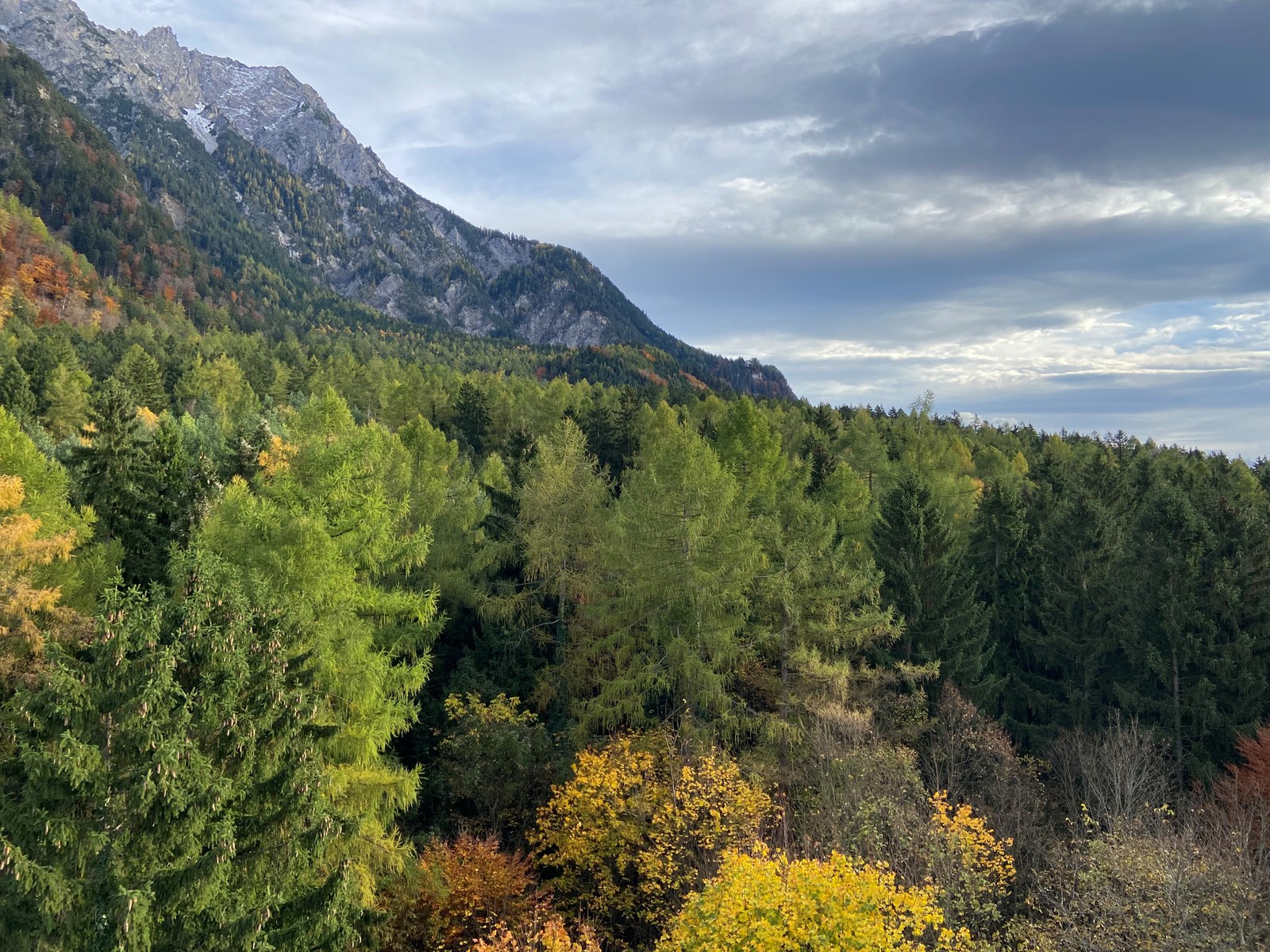
More than 40 percent of the Alpine region is covered by forests. They are not only a defining feature of the landscape, but also a cornerstone of Alpine livelihood, providing building materials, supporting biodiversity, and delivering essential ecosystem services.

Who is CIPRA?
Find out more!
More articles
alpMedia | Schaan, LI
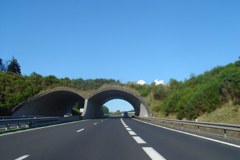
Green light for deer and lynx in the Alpine-Carpathian Corridor
In future, wild animals will be able to move more easily between the Alps and the adjoining Carpathian Mountains. That is the objective of the recently initiated cross-border project Alpine-Carpathian Corridor. The EU is providing approximately 2 million Euros for it.
alpMedia | Schaan, LI
The new CIPRA compacts Traffic and Spatial Planning are on-line
The results of the climate protection measures taken in the areas of 'Traffic' and 'Spatial Planning' are now accessible on-line. At www.cipra.org/en/cc.alps (de/en) both of the background reports - so-called 'CIPRA compacts' - 'Traffic and Climate Change' and 'Spatial Planning and Climate Change' can be downloaded.
alpMedia | Schaan, LI
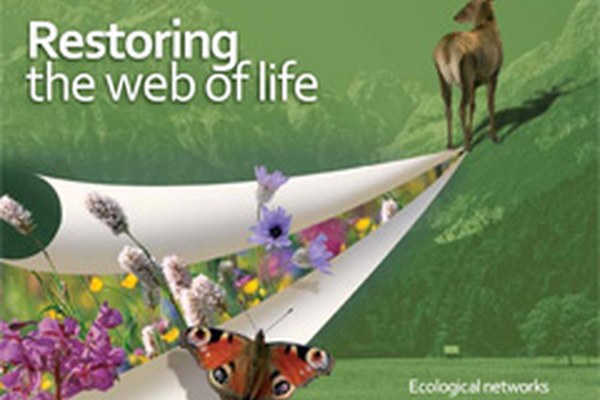
Restoring the web of life: a new brochure designed to help you understand ecological networks
What is an ecological network? How can you create one and who does it involve? What are their roles? These are just some of the questions to which the recently published brochure Restoring the web of life: ecological network for more biodiversity in the Alps provides answers.
Conference searching solutions to adapt to climate change
The Berchtesgaden National Park and the Alpine Network of Protected Areas (ALPARC) organised an international conference on ecological networks and climate change. The conference "Alpine Ecological Network: a response to climate change that will preserve biodiversity?" took place in Berchtesgaden, Germany, on 15th and 16th October 2009.
Events
|
Local Peaks, Global Learning | online | |
|
Transhumance as Intangible Cultural Heritage of Humanity: A Way Forward? | MUCEM, Marseille/France | |
|
Growing alternative crops for new market opportunities in a changing climate | Vienna/Austria | |
|
Trento Film Festival | Santa Croce street, 67; I-38122 Trento | |
|
Moving around the Alps: Towards Sustainable Tourism Mobility | Auditorium EURAC Research, Viale Druso 1, Bolzano-Bozen (Italy) |
Projects
CIPRA International | CIPRA Slovenija | CIPRA Deutschland | CIPRA Italia | CIPRA Schweiz | CIPRA France | CIPRA Youth Council
Re.sources
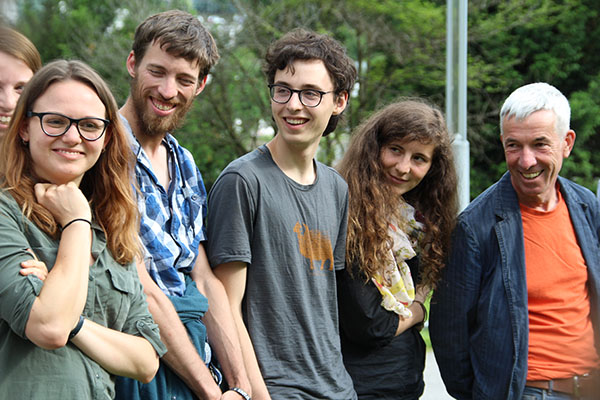
[Project completed] Water, soil, bees, ideas, motivation, time: the Alps contain a wide range of resources. A large part of the natural capital is under threat, while the social potential for more sustainable solutions still slumbers in many places. What are my resources and what are yours? Which ones are in danger and which ones are our lives dependent on? What resources does it take to make a change towards sustainable development in the Alps?
CIPRA International
AMIGO - Active Commuter Mobility
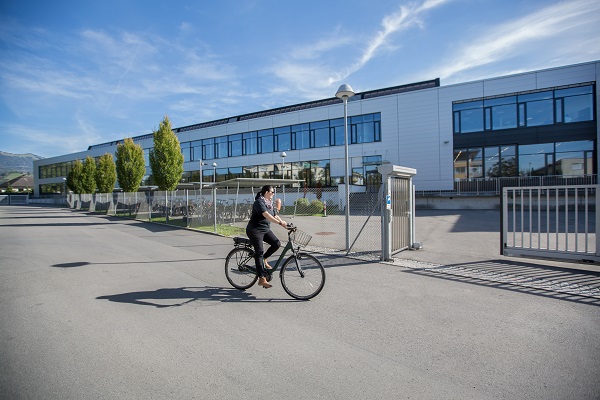
[Project completed] Reducing cross-border car traffic and focusing more on active mobility: these are the aims of the Interreg project "Amigo".
CIPRA International
YOUTH.SHAPING.EUSALP
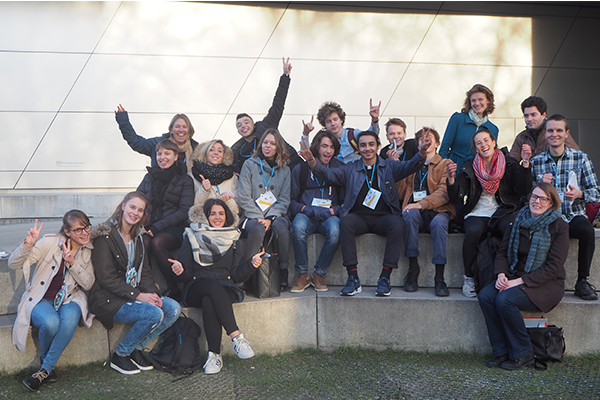
[Project completed] To have a say in Alpine policy, to bring in own topics, to exchange ideas with EU politicians: The "Youth.shaping.EUSALP" project makes young people’s and young adults’ voices heard and develops a concrete strategy for the commitment of the youth within the EUSALP. © CIPRA International