
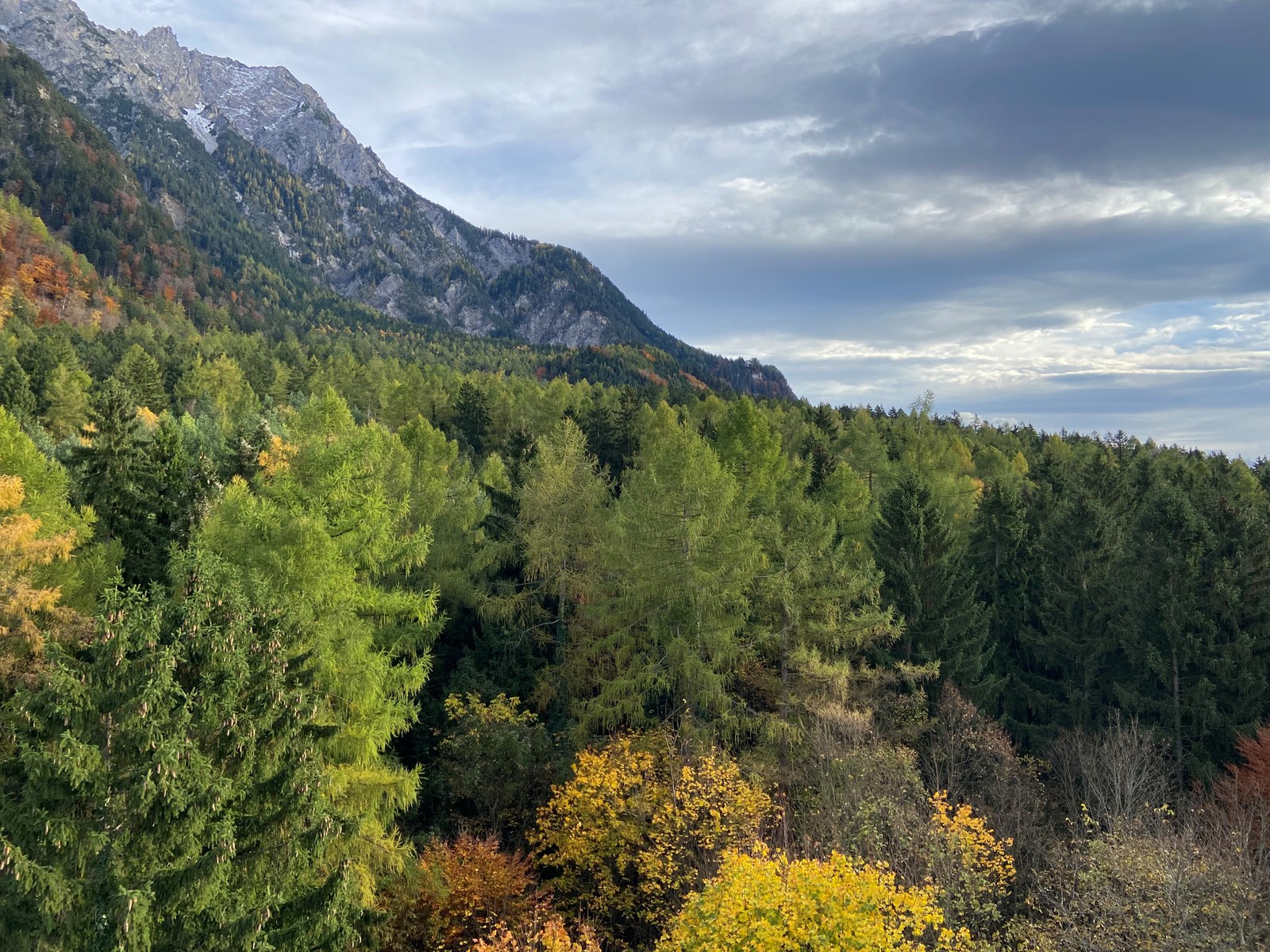
Act now to protect forests: sign the #HandsOffNature petition!
More than 40 percent of the Alpine region is covered by forests. They are not only a defining feature of the landscape, but also a cornerstone of Alpine livelihood, providing building materials, supporting biodiversity, and delivering essential ecosystem services.

Who is CIPRA?
Find out more!
More articles

Paddling for the “blue heart” of Europe
The end of March saw the start of the Balkan Rivers Tour in Slovenia, the largest water protection action in Europe. The aim is to protect its last unspoilt rivers.

Strange but true...
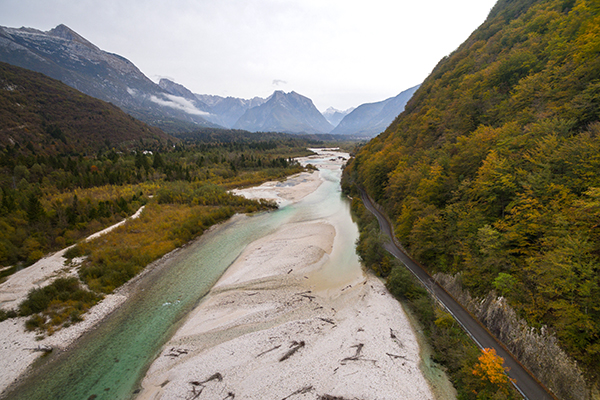
International Day of Action for Rivers
Fishing, farming, swimming, canoeing, hiking, drinking…. All in all, we are thousands of people benefiting from the resources provided by alpine rivers. However, only healthy rivers can provide these so-called ecosystem services. Alpine river ecosystems are vulnerable and often under pressure from various human activities. Can we do more to protect them? Yes!
Economic activity in mountain areas
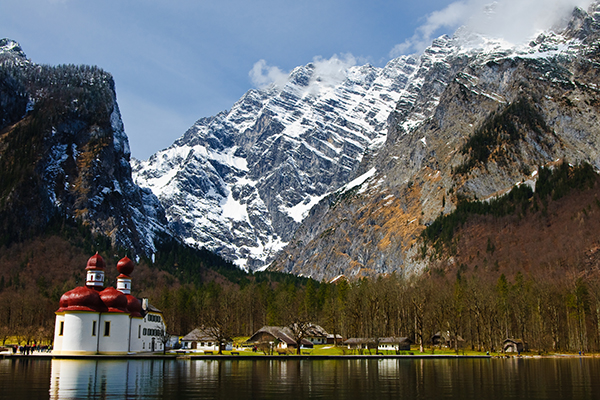
What can – and cannot – mountain areas do? Two new studies from Germany and Switzerland show the opportunities and weaknesses of regional economies and demonstrate that mountain areas can help in determining their own economic future.
Events
|
Local Peaks, Global Learning | online | |
|
Transhumance as Intangible Cultural Heritage of Humanity: A Way Forward? | MUCEM, Marseille/France | |
|
Growing alternative crops for new market opportunities in a changing climate | Vienna/Austria | |
|
Trento Film Festival | Santa Croce street, 67; I-38122 Trento | |
|
Moving around the Alps: Towards Sustainable Tourism Mobility | Auditorium EURAC Research, Viale Druso 1, Bolzano-Bozen (Italy) |
Projects
CIPRA International
Ars vivendi
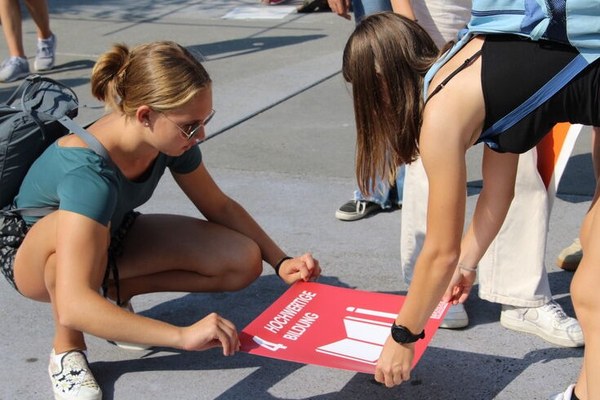
[Project completed] How can the Sustainable Development Goals (SDGs) be learned and taught? In the project «ars vivendi» a didactic tool for the Global Agenda 2030 is being developed.
CIPRA Deutschland | CIPRA France
DINAMO
[Project competed] In many rural areas of the Alps, public transport services are inadequate for daily needs and tourism development. In some remote mountain regions, this is one of the reasons why there is a considerable amount of car traffic, especially on weekends, public holidays and during rush hours. There are various reasons for this, including the high cost of public transport solutions due to low population density, inadequate public transport options (such as timetables, accessibility, connectivity, travel time and costs) and political and social preferences in favour of private motorised transport.

CIPRA International Lab
LISTEN
The LISTEN project is analysing the use of space in suburbs on the basis of three pilot regions in Belgium, Sweden and Austria. CIPRA Lab GmbH is working together with partners from research and regional stakeholders.